Downtown Garage | Masters of Restomod
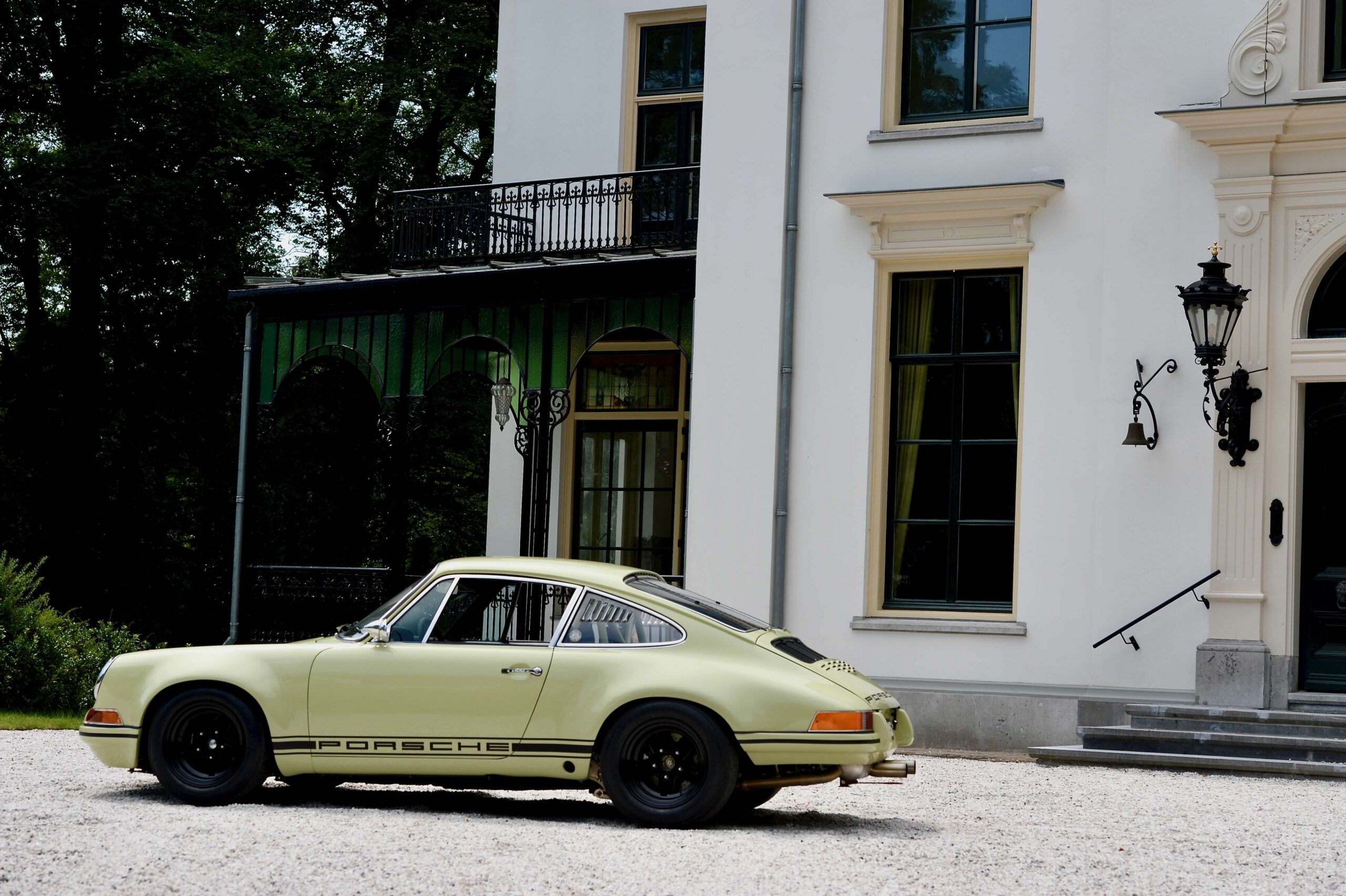
RC 17 by Rico Customs/NL, based on a 1980s 911 SC 3.0 Coupé
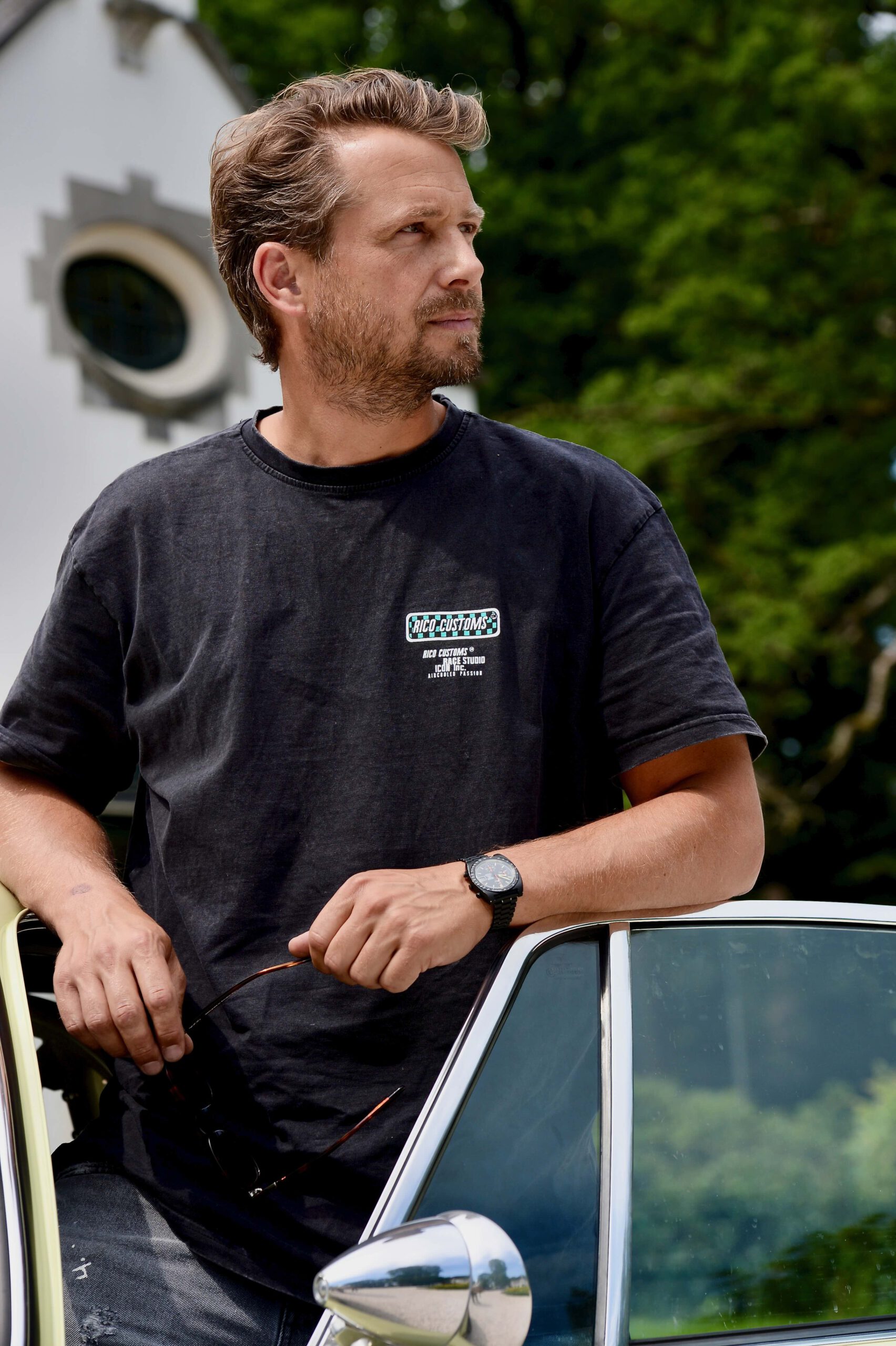
Cool guy, cool concept, cool location: all this promises endless (driving) fun! Rik Ten Napel is a Dutchman known in the automotive world – and that’s meant quite literally – under his label Rico Custom. This guy from the fashion industry creates a lifestyle from classic 911s of the G series. One of his customers, “Lord of the Boards” and fellow Dutchman, has called it snowboarding with a bit more sound. And now all of this in the trendy US color Limoncello? We went on a fact-finding mission – in the hinterland of the Dutch province of Gelderland.
Behind the Scenes
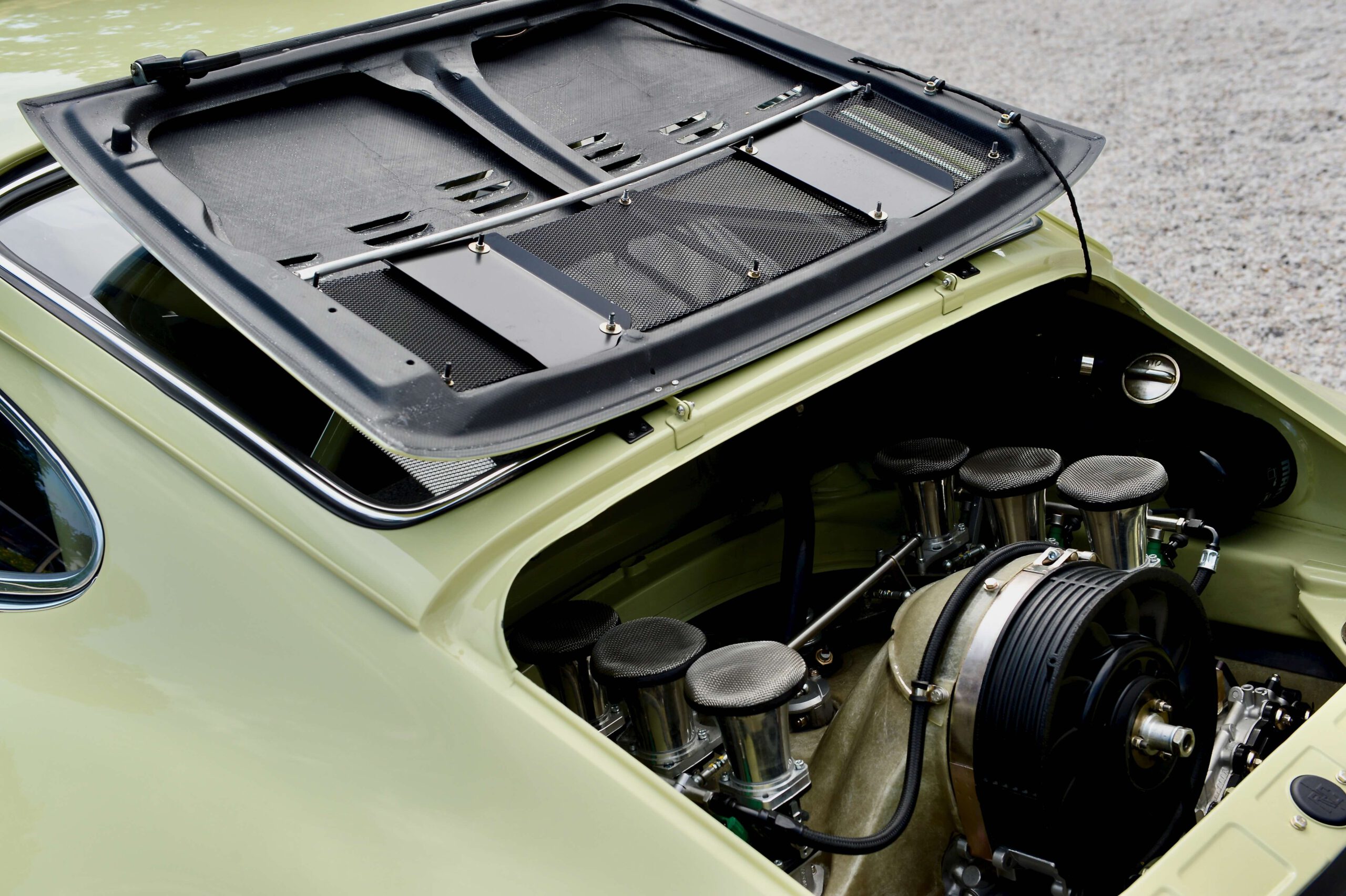
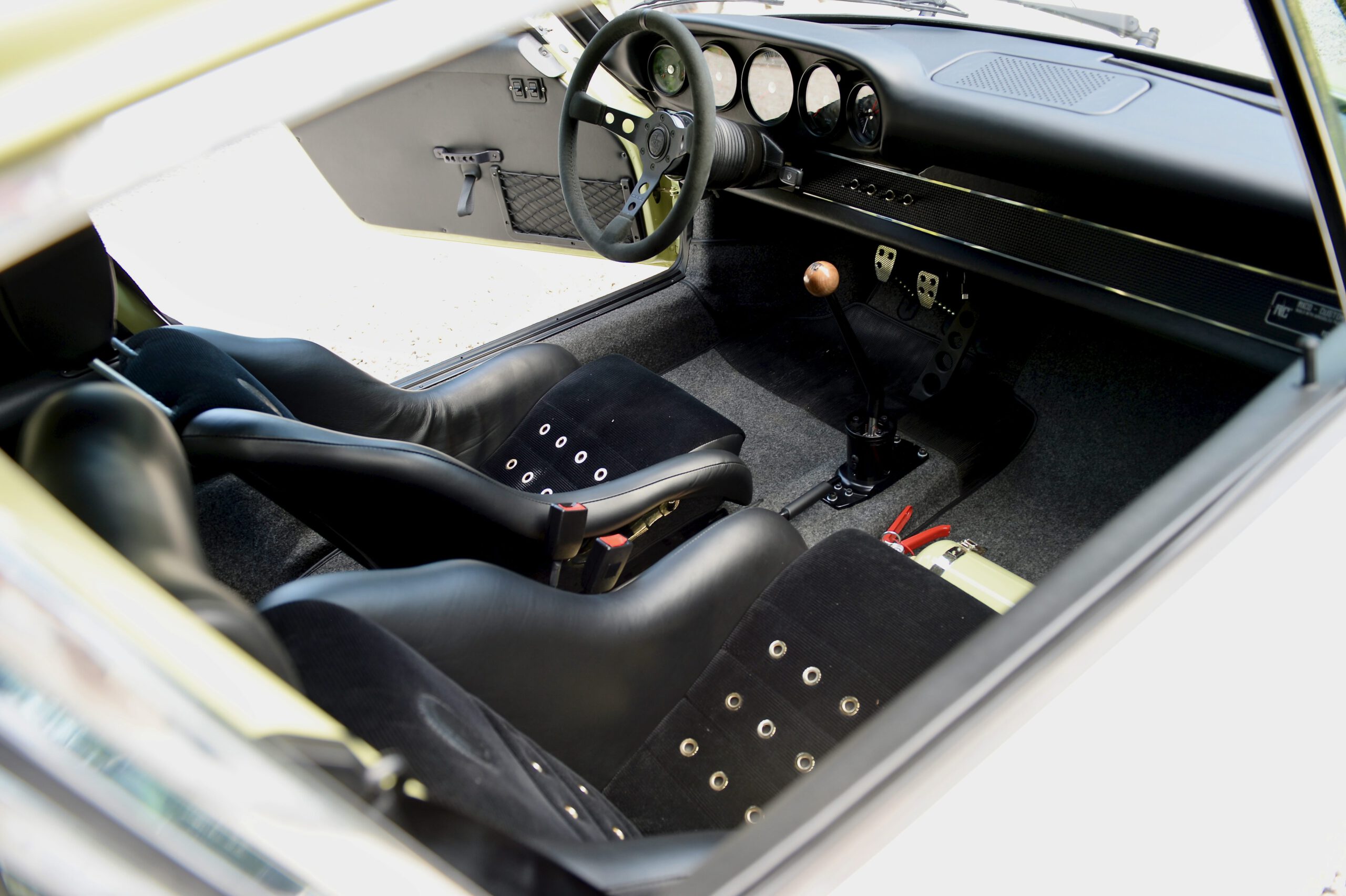
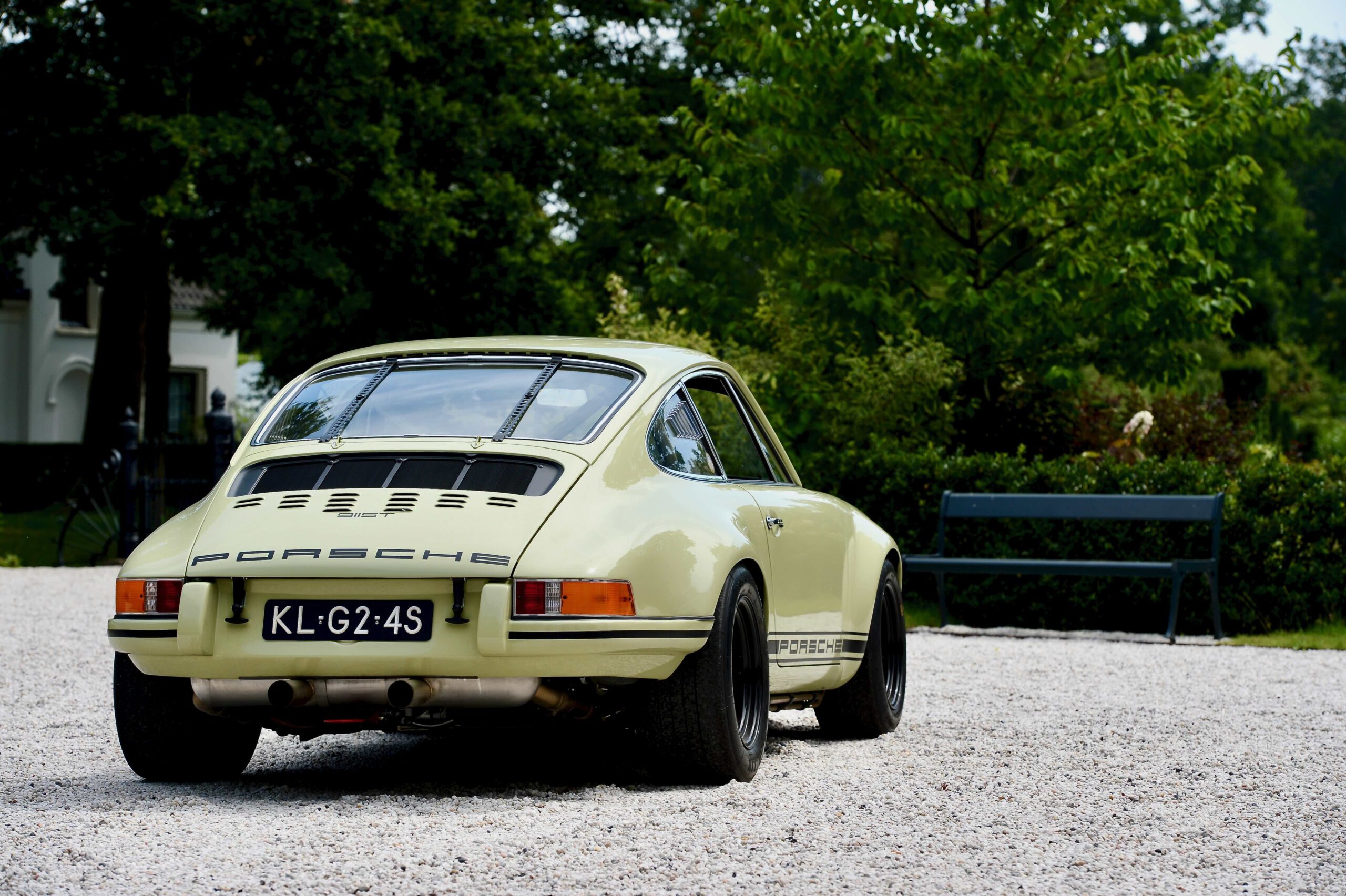
Behind the scenes of the RC 17: The 950-kilogram “Limoncello Project” impresses with its design, precision, and unbridled agility: a hot rod for the sports car-loving surfer generation.
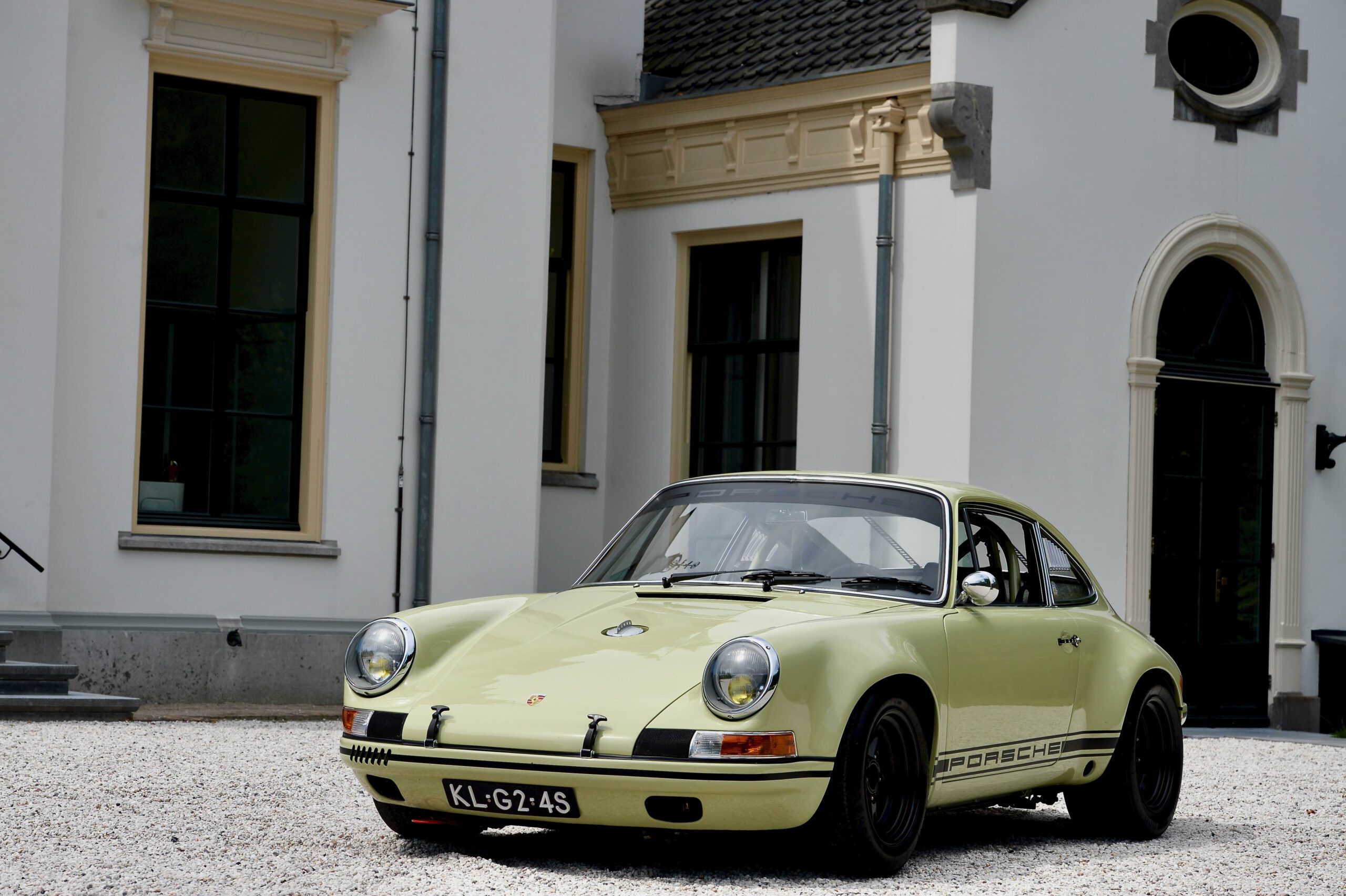
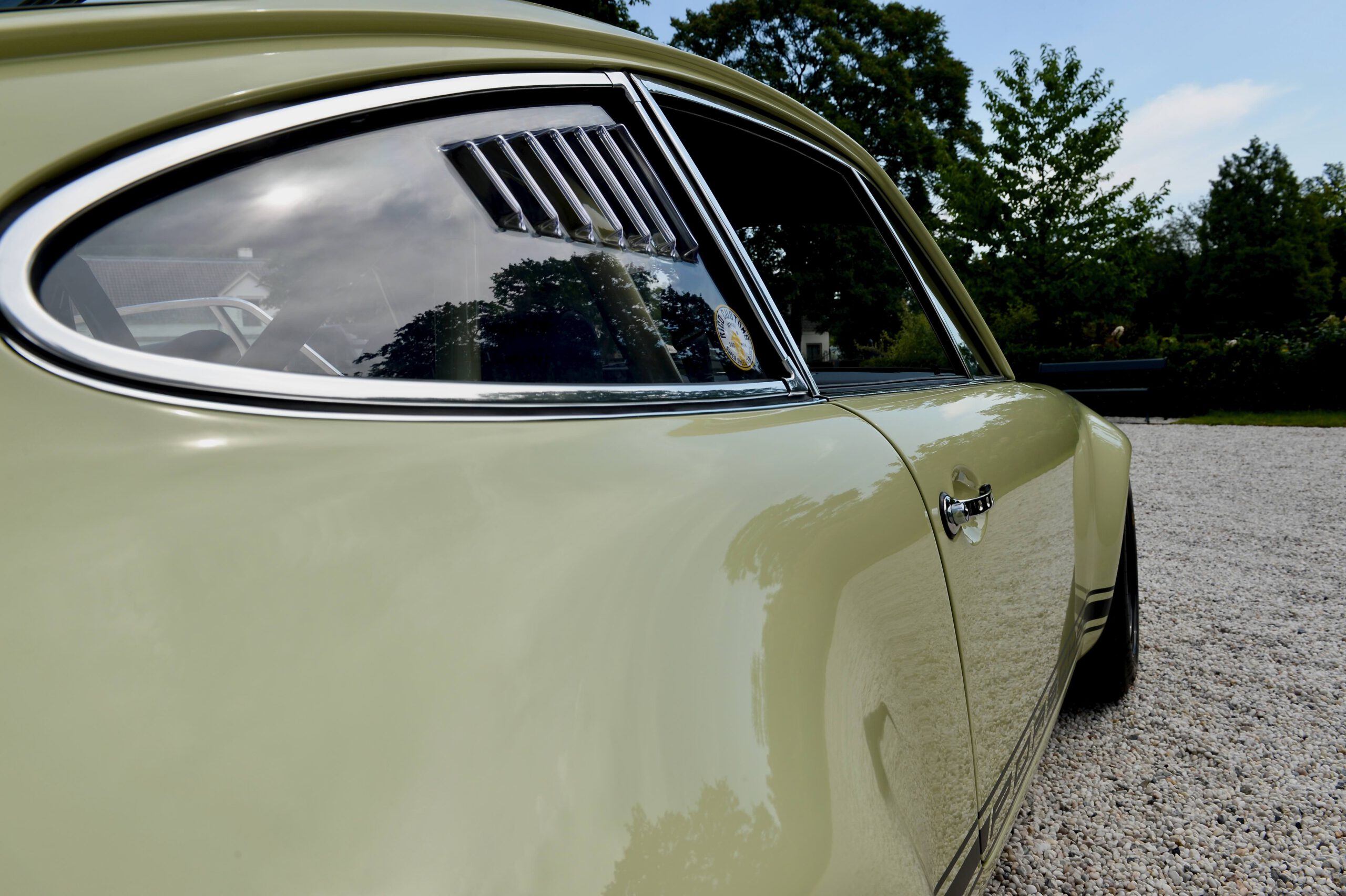
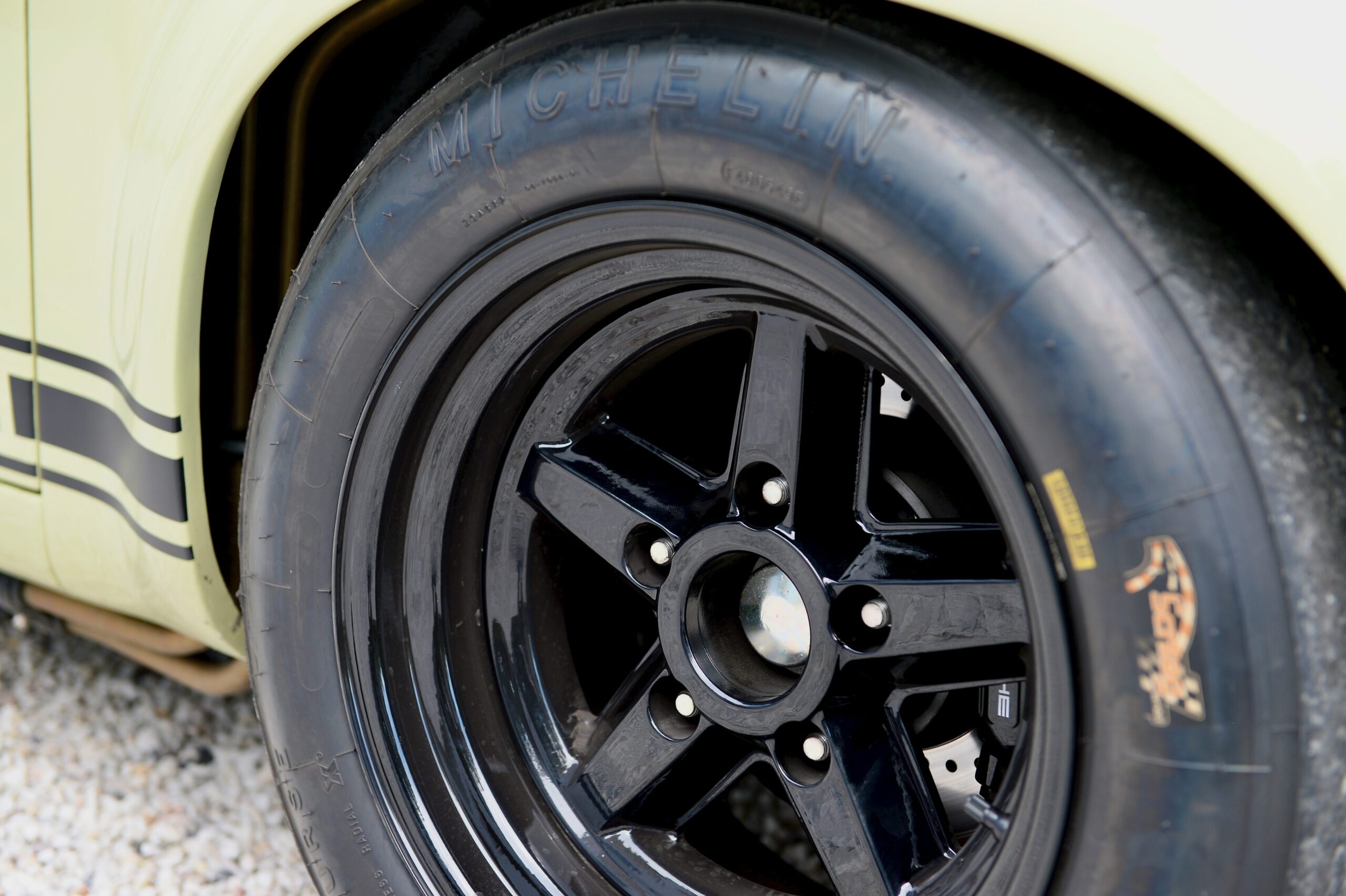
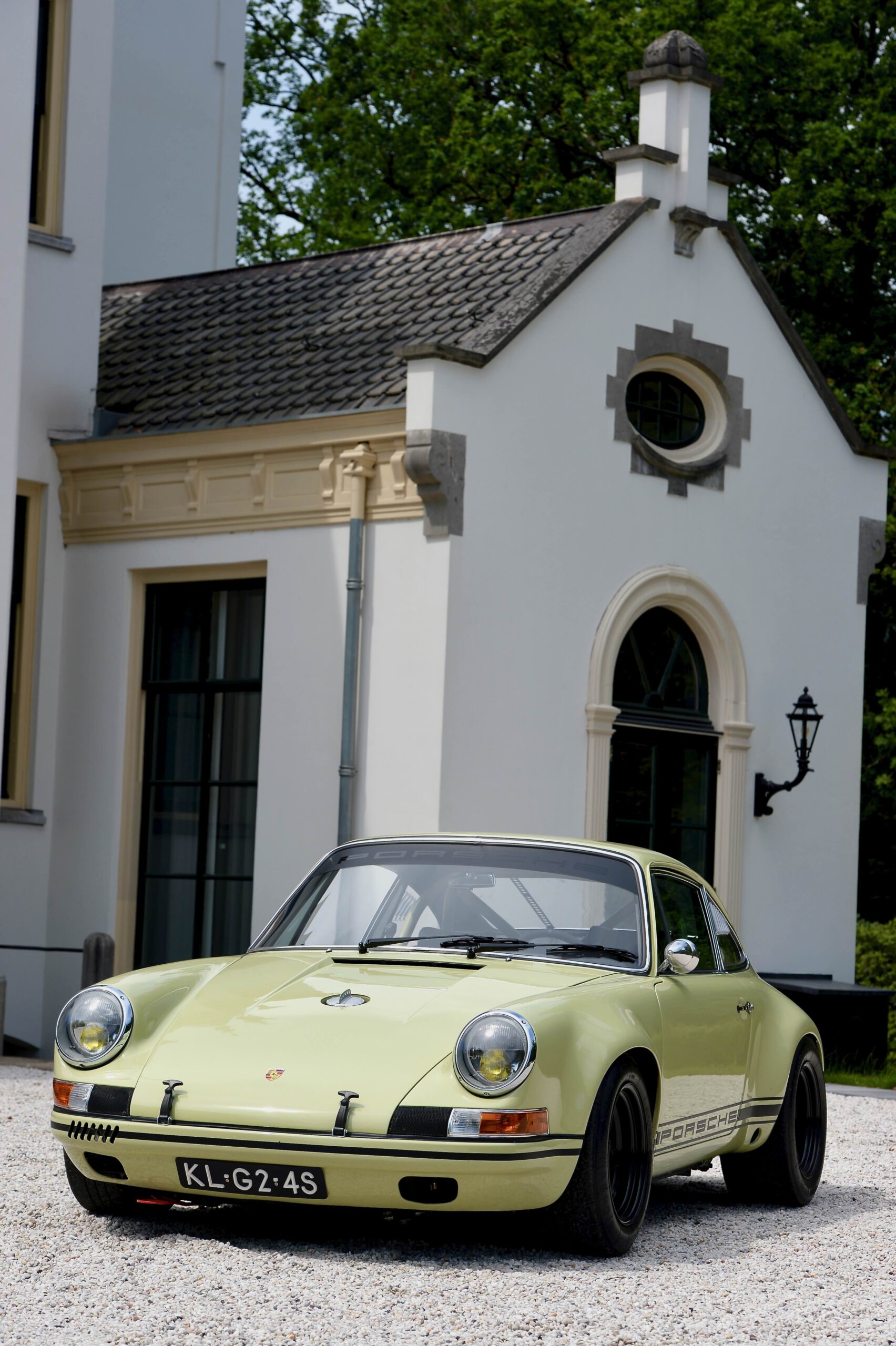
Meant to be driven. But why then a castle built in the Art Nouveau style between 1853 and 1905? The answer is obvious: because the (photo) location is right by the wayside – on the road trip to the Furka Pass in the Swiss Alps, a good nine and a half hours away.
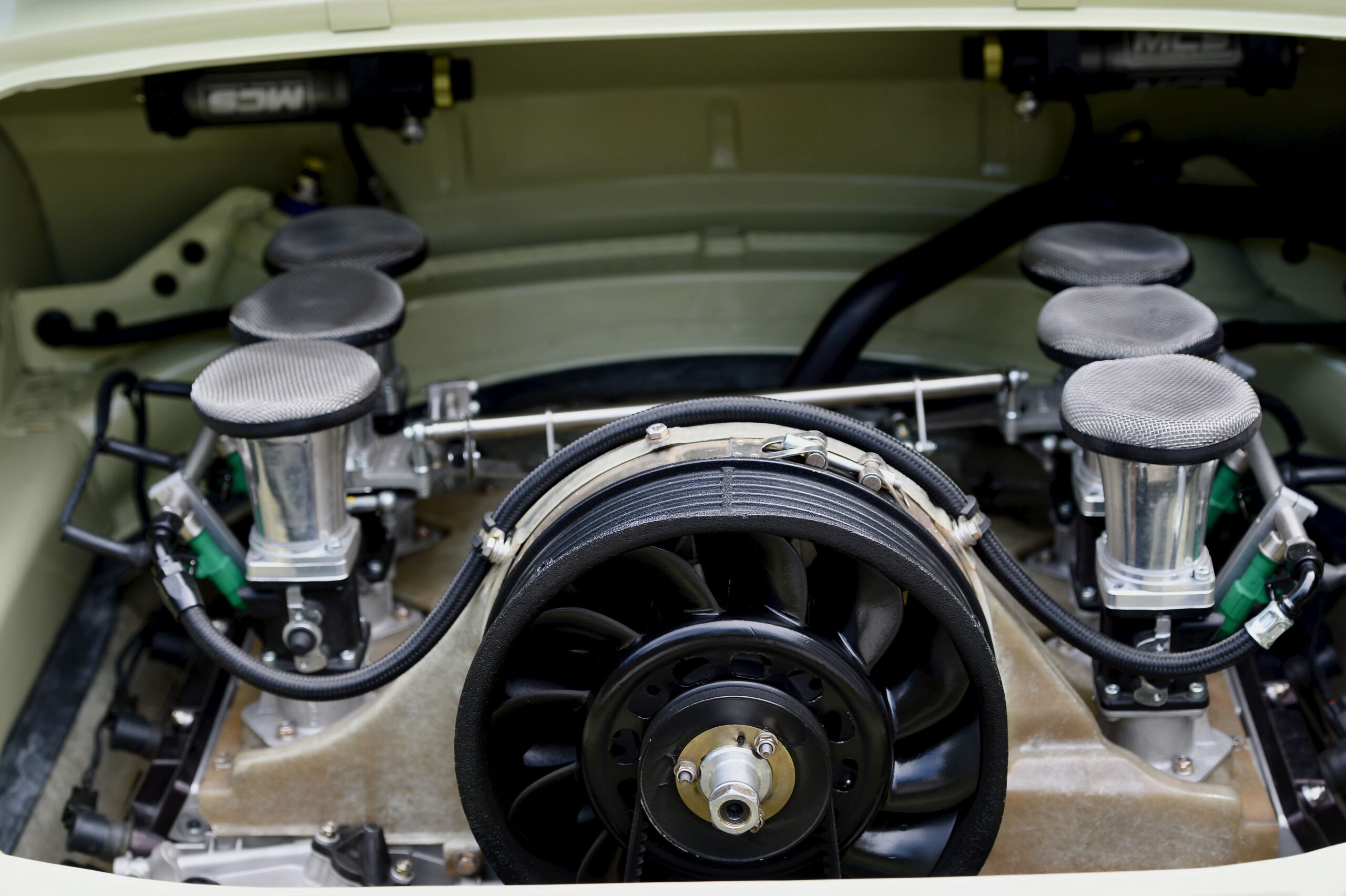
For Rik Ten Napel, it’s all about a feeling. He doesn’t sell this (good) feeling, he lives it. Just two and a half years ago, after his tenth hobby project for his own enjoyment, he was persuaded to turn yesterday’s pastime into a serious business, putting his all-too-obvious knack for good taste to use. “I never planned any of this, not even for my nearly 100,000 Instagram followers,” he says. “I just posted a few snapshots of my builds for fun. But then I started getting more and more requests to see if I could also realize such projects professionally – for a fee – for clients.” And then his innate business sense, which he had already successfully applied in the fashion industry, kicked in. His workshop, originally intended as a “man cave,” on a rural property with a gas station out front, is now his business headquarters, think tank, and control center all in one. The road leading here is called Slagsteeg, and Rik explains with a laugh what that means. “Do you see that mountain over there?” he points to a barely visible rise behind the house. “That’s what I mean – the path to the highest point here in our lowlands.” It’s no wonder that this man, barely in his forties, a husband and father, loves real mountains – those in the Alps, preferably in Switzerland, around the Furka Pass with his Belvédère Hotel at 2,272 meters above sea level. The road trips from Ermelo to the Swiss cantons of Uri and Valais provided lasting inspiration for Rik Ten Napel. He devised a blueprint that would also allow for great moments in hill climbs like the one in Arosa: consistently lightweight, crisp on corners, and instantaneous on the throttle. The latest and wildest result is called the RC 17, which simply means the 17th creation from Rico Customs. “The Beast,” the enterprising owner reverently calls his bright yellow creation. The specifications alone command respect: 3.9 liters of displacement from a finely tuned 3.6-liter engine of the 964 model generation, 357 hp, a maximum of 375 Nm of torque, 950 kilograms – made only for high altitudes and winding roads? Of course not, as soon becomes clear during our second visit to the Ermelo plant in the province of Gelderland.
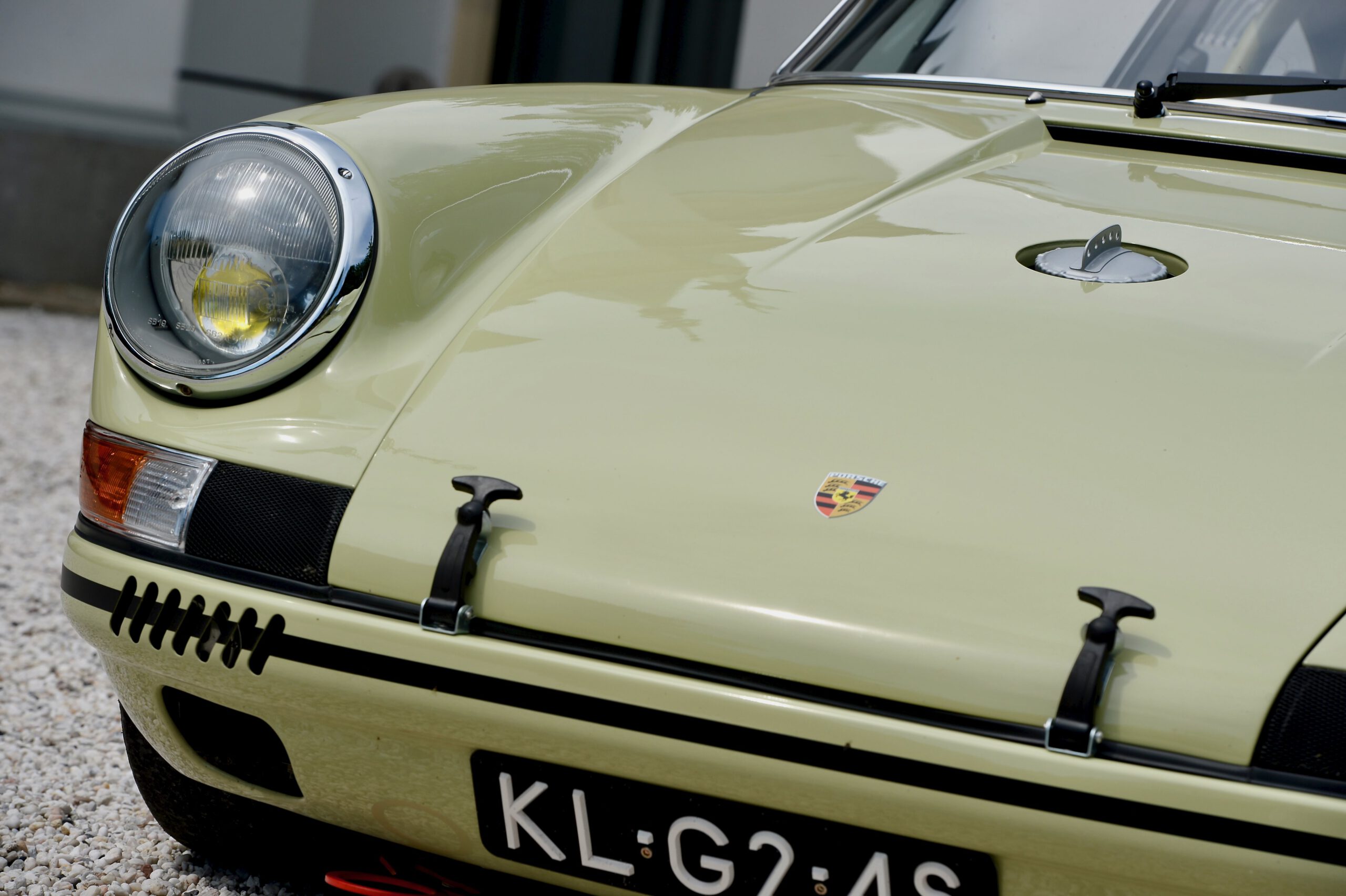
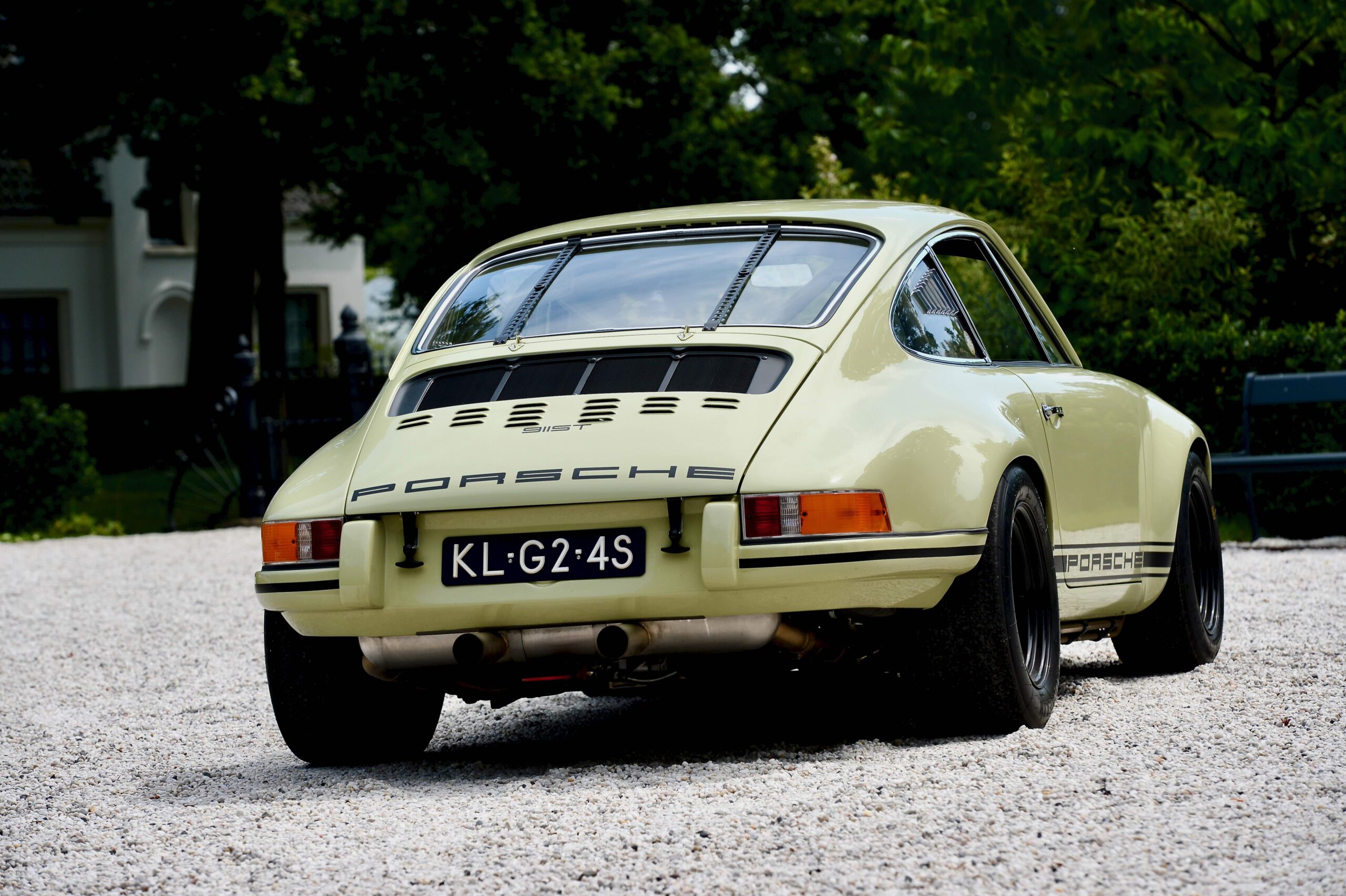
Quiet, sunlit streets, plays of light and shadow, rows of trees, roundabouts: the drive to Staverden Castle is enlightening. The RC 17’s ever-present agility is reminiscent of a trip in the legendary RS 2.7 Coupé. Both sports versions are kindred spirits.
So, off to Staverden Castle, not the Furka Pass – not today, it would have been too far for a simple photoshoot. But what is simple here? In Rik’s workshop, it’s all too easy to get a sense of the maximum effort that goes into creating Rico Customs – always on a bare chassis, spartan, like a race car. There, inside and out, painted bodies sit on their mounting jigs, devoid of any technology. In principle, the 911s of the G series are used as base models: the Carrera 3.0, 911 SC, or Carrera 3.2. The philosophy behind it is simple: performance through minimal weight, cost transparency through the simplest possible technology. Rik Ten Napel avoids using the buzzword “backdate.” Rather, he emphasizes the timeless design of the widened racing variants of the early seventies, such as the 911 S/T. This has been done thousands of times over the decades, but never so appealingly, so boldly, or with this level of perfection and seriousness. Perhaps the man who transforms these incredibly purposeful vehicles from classic cars is a genius. He uses well-shaped sheet metal parts to later mount 15-inch wheels under the fenders. He sources the rims themselves either in the “cloverleaf” design from Otto Fuchs KG or, more recently, from an English supplier who reinterprets the cast wire wheel …
( … to be continued … )
Read more? You’re welcome, here: https://www.netzwerkeins.com/2026/10/25/behind-the-scenes-en/


